If you're the kind of diver who plans a year around a single species, two weeks chasing schooling hammerheads, a week with mantas at a cleaning station, four days inside a whale shark aggregation, the question isn't really "where". It's "where in this month, on this tide, at this temperature." The big animals don't move on the diving industry's marketing calendar. They move on plankton, currents, lunar cycles, and water temperature, and they don't care how nice the brochure looks.
What follows is a working month-by-month guide to the worldwide big-animal calendar, focused entirely on the trips you can realistically book through a liveaboard. Every entry assumes you'll plan three to six months ahead; most of these windows sell out, and a few of them (Socorro in February, Galapagos in July, Cocos in June) sell out a full year ahead. The aim isn't to be exhaustive. The aim is to give you the species-and-month pairings that consistently deliver, plus the practical detail on what changes in the shoulder weeks of each window.
How to read this calendar
Three things to keep in mind before you start mapping years onto species.
First, "peak" doesn't mean "guaranteed." Even in the best month at the best site, you might have a quiet week. The diving gods are not reliable. What "peak" means is that the statistical odds of a sighting are at their highest, and the trip is built around that species rather than chasing it sideways.
Second, season windows are not symmetric. The opening of a season is often quieter and cheaper than the closing weeks; for many species the back end of the window is when the animals are most concentrated. If you're flexible, the last three weeks of a season often beat the first three on every metric except crowd size.
Third, your operator matters as much as your month. A boat that runs Galapagos every year and has the same captain reading the currents at Darwin Arch since 2014 will put you on hammerheads. A boat that's just transitioned to the destination might not. When you're picking the trip, ask how long the operator has worked that specific itinerary.
January, Maldives, Bahamas, Socorro
The northeast monsoon is fully settled in the Maldives. Hammerheads at Rasdhoo Atoll are working their dawn pattern reliably, dropping out of the blue at the corner of the channel in groups of 30 to 80 around 6:30 in the morning. Whale sharks along South Ari Atoll come in close, often inside the lagoon shallows. The central atolls (North Malé, South Malé, Ari) are at their best for reef diving.
In the Bahamas, the tiger shark season at Tiger Beach is in full swing. January and February are typically the calmest crossings from West End or Grand Bahama, with three or four tigers per dive a normal expectation on the better operators. The water is cool (24 °C is typical), so a 5 mm wetsuit at minimum, hood optional.
Across the Pacific, Socorro liveaboards in Mexico's Revillagigedo archipelago are running their full schedule. Giant Pacific mantas at El Boiler and El Cañon are the headline; scalloped hammerheads at Roca Partida; bottlenose dolphins that will swim straight at your camera; and a real chance of false orca or short-finned pilot whales transiting between sites. January is one of the most settled-weather months in the Revillagigedo crossing, which matters more than it sounds because the 24-hour open-ocean run from Cabo can get rough enough to kill three days of diving in the wrong week.
February, Socorro peak, Maldives, Sea of Cortez (late)
The Socorro window is at its absolute peak. Statistically, mid-February is the most reliable single week on earth to dive with mantas that are interested in you (the difference between a manta gliding past and a manta circling back to make eye contact with your dome port). Operator data we've looked at puts the second and third weeks of February at over 90% probability of a multi-manta encounter per dive at El Boiler.
The Maldives central atolls remain in peak northeast-monsoon mode. Visibility is at its best of the year, sitting around 30 metres in most of Ari and Vaavu. The southern atolls, Huvadhu and Addu, are easier to reach in February than in the monsoon-transition months later in the year.
The Sea of Cortez starts to wake up for the late-February humpback whale window. The encounters are boat-based rather than SCUBA-based (Mexican law restricts close approaches to snorkelling) but worth knowing about if you're already in the region and want to break up a week of cold-water diving with something warm.
March, Socorro tail end, Galapagos cool season, Komodo winding down
The last month of Socorro before the season closes for the summer. Crowd densities at El Boiler are higher than February but the manta encounters are still strong; the silky sharks at Roca Partida are reliable through the first three weeks of March. The very last week of the season often has reduced operator pricing because boats are heading north to refit.
The Galapagos is in its cool, dry season (the garúa months). Visibility is better than in the warm season but the schooling pelagics aren't yet at peak density. The central islands, particularly Cousins Rock and the seamounts off Santa Cruz, are excellent for sea lions, mola mola, and the eagle ray flybys that you don't quite get in the same numbers when Darwin and Wolf are firing.
Komodo's standard season tails off through March. The southern sites (Manta Alley, Cannibal Rock) start losing reliable manta aggregations as the water warms. By the last week of March most operators are repositioning north to Raja Ampat for the late-shoulder season, which is the cue for the next entry.
April, Galapagos shoulder, Raja Ampat shoulder, Sipadan
One of the best months on the year for divers who want to go somewhere other people aren't. The big-name peak destinations are between seasons, operators discount aggressively, and the diving in shoulder-window destinations is genuinely excellent.
Sipadan and the Borneo seamounts are working through their stable April window. Schooling barracuda, jackfish, and the resident green and hawksbill turtles are reliable. The macro diving in nearby Mabul and Kapalai is at its consistent best. The permit system on Sipadan limits the number of divers per day, which is a feature not a bug, but it does mean you need to book the resort-and-liveaboard combo in advance.
Whale sharks at Cenderawasih Bay in West Papua start their peak. These are fed by Indonesian fishing platforms (bagans) and are essentially as reliable as a zoo visit, with the obvious ethical caveats. If a tonally-honest in-water whale shark encounter matters to you, Cenderawasih is the most certain bet in the calendar but it's also the least "wild" of the major whale shark destinations.
May, Cenderawasih, Komodo opens, Maldives in transition
Komodo's high season opens. The southern Komodo sites (Manta Alley, Cannibal Rock, Yellow Wall) are the headliners. Manta aggregations rebuild as the cooler upwelling water returns; the macro diving at Cannibal Rock starts producing reliably; and the boats that wintered in Raja Ampat are now in position. Early May tends to have the better diver-to-cabin ratio because most divers don't yet know the season has started.
Maldives is transitioning to the southwest monsoon. Visibility softens a little in Ari and Vaavu; the central atolls are still good but the south is becoming the more interesting story. The very early-May whale shark window in South Ari runs until the currents fully flip, typically around the second week.
June, Cocos peak, Komodo, Fiji
Cocos Island liveaboards start their peak hammerhead season. The 36-hour crossing from Puntarenas in Costa Rica is the gating factor here; the trip filters out divers who can't handle some open ocean. What you get in exchange is hammerhead schools at Alcyone and Dirty Rock at densities that nowhere else delivers, plus reliable whitetip reef shark night dives at the same sites where you saw the schools by day. We've written a longer comparison of Galapagos and Cocos if you're trying to choose between the two.
Komodo settles into its sweet spot. The southern sites are at peak, the northern sites (Castle Rock, Crystal Rock, Batu Bolong) start coming online as the visibility lifts. June is the month where you can do a Komodo trip and reasonably expect both ends of the archipelago on the same week.
Fiji's Bligh Water sees the soft coral at its best as the seasonal currents come in. This is the trip to book if you've already done your share of pelagic-chasing and want a week of pure reef colour. The Galapagos cool season is starting to lift; Darwin and Wolf go from "good" to "excellent" through the back half of June.
July, Galapagos peak, Komodo, Palau
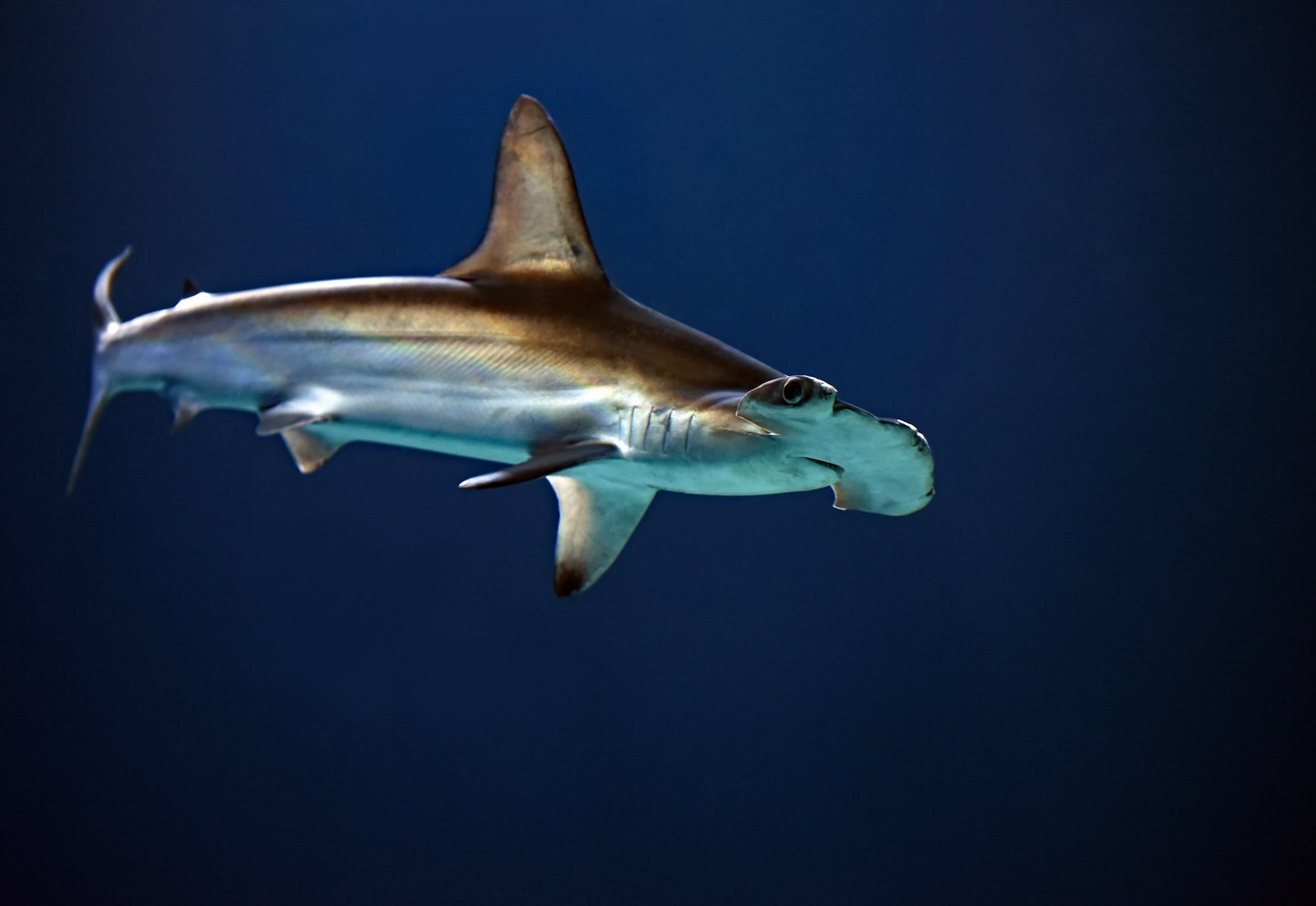
This is the month a lot of experienced divers organise their year around. Whale sharks at Darwin Arch are arriving in numbers, hammerheads are schooling reliably in mid-water under the arch, and the silky and Galapagos shark action at Wolf is the most consistent it gets all year. Two full days at Darwin and Wolf on the longer Galapagos itineraries is the move; the boats that do three days at each (the longer 10 and 11-night trips) are worth the premium if you can get the cabin.
Palau's Peleliu Express is running through bull shark season; the German Channel manta cleaning station is reliable; and the spawning aggregation windows at Ulong Channel can produce species-level events (twin-spot snapper, bumphead parrotfish) if the timing of your week lines up with the right lunar phase. Komodo continues at peak.
August, Galapagos peak, Komodo, Bahamas off, Maldives Baa
Galapagos peak continues. Komodo's south is still at its best. The Bahamas tiger shark trips wind down (operators shift to dolphin encounters as the summer warms the water past the tiger comfort range). The Maldives central atolls, Baa Atoll in particular, are in peak manta cleaning-station season at Hanifaru Bay. Eight-night Baa-focused itineraries are the move; the manta aggregation at Hanifaru Bay during a moon phase that produces a strong plankton bloom is one of those things you remember for years.
One important note on Hanifaru: Maldives regulations only permit snorkelling at the bay itself, no SCUBA. The diving operators run a hybrid model with SCUBA at the surrounding cleaning stations and snorkel sessions at the bay. If you want a SCUBA-only manta experience in August, look at the Vaavu and South Ari sites instead, which are less spectacular but still excellent.
September, Raja Ampat opens, Galapagos peak, Banda Sea start
The first Raja Ampat shoulder month. The southwest monsoon influence is fading; conditions stabilise quickly from the second week. The Banda Sea crossings start mid-month: long itineraries from Ambon or Sorong with hammerheads at Manuk, schooling barracuda at Suanggi, and the spectacular volcanic island walls at Banda Neira. These are 10 to 14-night trips, expensive, and they generally run only in September and October, so this is a now-or-wait-a-year decision.
Galapagos peak continues through the month, with the back half of September often producing the most concentrated hammerhead schools of the year as the cool upwelling intensifies. Cocos Island remains excellent.
October, Galapagos tail, Banda Sea, Maldives southwest peak
Galapagos peak ends. The cool-water schooling continues into the first half of October, then the water warms and the pelagic density drops. The last departures of the year are sometimes the best value of the entire Galapagos season because the boats know they have a long off-season ahead.
Banda Sea crossings are in their best month: calmest water, most settled weather, longest predictable visibility windows. The Maldives southwest monsoon is at peak productivity; central atolls and the south are both exceptional. Tiger sharks at Fuvahmulah in the deep south of the Maldives are reliable through October and November; the operators based out of Fuvahmulah are running daily boats but the longer liveaboard itineraries that combine Fuvahmulah with Addu and Huvadhu are also active.
November, Raja Ampat opening, Maldives transition, Bahamas return
Raja Ampat season opens properly. The first two weeks of November sit in late-shoulder, the last two weeks are the start of peak. The Maldives is transitioning back to the northeast monsoon; visibility in the central atolls starts clearing up. Whale sharks at South Ari are at peak underwater visibility, which matters because that's the difference between the shark being a silhouette and being a fully-resolved animal in your viewfinder.
Bahamas tiger shark operators start their winter season again. The first two weeks tend to be quiet; by the third week the resident tigers are returning to the bait stations and the encounters are reliable.
December, Raja Ampat, Maldives, Socorro reopens
Raja Ampat is in full swing. The marquee weeks (Christmas, New Year, the back half of December) are the most expensive of the entire global liveaboard calendar; book them eighteen months out or accept the leftovers. Maldives northeast-monsoon clarity is back across the board. Socorro reopens after the summer closure; the very first liveaboards of the season are typically the quietest and most aggressively priced because operators are still warming up the booking pipeline.
The trips most worth planning a year around
If you had a five-year plan and wanted to see every headline pelagic species at its best, with one major trip per year and budget room to do it properly, here's the rotation we'd suggest. The order isn't sacred; it's structured around season windows so each year delivers a different signature animal.
- Year one, February: Socorro for the giant Pacific mantas and the dolphin encounters. Eight nights minimum, ten if you can swing it.
- Year two, July or August: Galapagos with two full days at Darwin and Wolf. Ten or eleven nights, on a boat that runs the same itinerary every year.
- Year three, October: A Banda Sea crossing. Long, remote, real current, every megafauna species you haven't ticked off yet, plus a few you didn't know you were going to meet.
- Year four, June or July: Cocos Island for the hammerhead density that nowhere else delivers. Ten or twelve nights; the crossing is the worst part and the diving is the best part.
- Year five, August or September: Maldives Baa Atoll for the Hanifaru manta weeks, or Fuvahmulah for the tigers if you've already done the manta circuit.
The smaller pelagic targets people forget
The headlines absorb attention; the second-tier targets are sometimes the more interesting weeks of diving.
Thresher sharks at Malapascua
Daily dawn dives at Monad Shoal, year-round, with March through May the most reliable window. Not a true liveaboard destination (the boats day-trip from Malapascua Island) but worth a resort week if pelagic sharks are your interest.
Oceanic whitetips at Cat Island, Bahamas
April and May. A single species, a single window, a six-hour crossing from Nassau. The encounters are typically with three to seven different individuals over a week, identified by fin notch patterns. Not technically a liveaboard trip; the operators day-boat from Cat. Mention here because divers chasing the full big-animal slate often miss it.
Sailfish at Isla Mujeres, Mexico
December through March. Snorkel only, not SCUBA, but worth the side trip if you're in the region for tiger sharks or Socorro.
Schooling mobulas at Sea of Cortez
May through July. Snorkel and free-dive, with some SCUBA operators running peripheral dives. The aggregation behaviour is unlike anything else in the Pacific.
Mistakes to avoid
Booking the destination first and the month second
The single biggest mistake big-animal divers make. Reverse the order. Pick the species, pick the month, then choose the operator with the best record of putting clients on that species in that water. A Galapagos trip in March is a different trip from a Galapagos trip in August. A Maldives trip in May is a different trip from a Maldives trip in November.
Underestimating the crossing
Cocos, Socorro, the Galapagos far northern islands and most Banda Sea trips involve serious open-ocean crossings of 18 to 36 hours each way. Bring proper seasickness medication and start it before the boat leaves dock. A diver who loses two days to seasickness on a 10-night trip just paid double for their dives.
Skipping the second week
If a destination has a season that runs four months, the marketing tends to push the middle two months. The first and last three weeks of the window are often quieter, cheaper, and the animals are still present. The Socorro pre-Christmas opening and the late-October Galapagos departures are two specific examples worth looking up.
Choosing the wrong boat for the destination
A boat that does excellent Maldives weeks isn't automatically the right boat for Cocos. The crossing demands more from a vessel than the diving does. Look at operator-specific safety records, captain experience, and the boat's hull (steel-hulled for open-ocean crossings, traditional phinisi for protected destinations).
Frequently asked questions
How many years does it take to see every headline species?
Realistically, three to five years if you can do one major liveaboard trip per year and you pick your months carefully. The constraint isn't the species, it's the calendar conflicts. Cocos and Galapagos overlap. Socorro and Bahamas overlap. The Maldives manta season and Komodo high season overlap. You can compress the rotation by doing two trips a year, but most divers find that the pacing of one big trip a year is sustainable on both budget and PTO.
Are the big-animal seasons becoming less reliable?
Some are, some aren't. The pelagic aggregations that depend on cool upwelling (Galapagos, Cocos, the deep south of the Maldives) have been somewhat more variable in the last five years as ENSO patterns have shifted. The cleaning-station mantas (Socorro, Baa, Komodo) have been broadly stable. The whale shark windows that depend on plankton blooms (Cenderawasih, South Ari) tend to be more weather-sensitive than they used to be. The honest summary: pick your year carefully and consult recent operator reports before committing to a one-week window.
Is it worth paying more for a longer trip?
For pelagic chasing, almost always yes. A 10-night trip with two full days at Darwin in Galapagos beats a 7-night trip with one day at Darwin, comprehensively. The economics of liveaboard pricing usually mean the marginal cost of nights 8 through 10 is significantly less than the first seven. Look at the per-night rate, not the headline price, and you'll see the longer trips often run 20 to 30% cheaper per night.
What about diver certification levels for these trips?
Cocos, Socorro and Galapagos all expect Advanced Open Water plus 50 to 100 logged dives at the minimum, and the better operators ask for nitrox certification because most of the diving is at the limits of recreational depth. Maldives is more flexible (lots of resort weeks with Open Water-only certified divers) but the liveaboard itineraries that target the channel diving and the pelagic sites expect Advanced and 50+ dives. If you're working toward your first big-animal trip, get the certifications and the logged dives nailed down at home first.
How much should I budget?
Plan on $4,500 to $9,000 per person for the trip itself depending on operator and cabin, plus $800 to $2,500 in flights, plus $300 to $600 in pre- and post-trip nights, plus $200 to $500 in park fees and fuel surcharges. Realistic all-in for a single big-animal liveaboard week sits between $6,000 and $13,000 per person. The shoulder weeks shave 20 to 35% off the trip cost.
Do I need underwater photography gear?
No, but most divers who organise their year around megafauna end up wanting to. The single best advice we can give: if you're going to invest in housings and strobes for a Galapagos or Cocos trip, get the gear at home for at least six months first. Big-animal weeks are not the time to be debugging strobe settings; you'll miss the encounter while you're fiddling with the dial.
Where to actually look
The single biggest mistake big-animal divers make is booking the destination first and the month second. Reverse it. Pick the species, pick the month, then choose the operator with the best record of putting clients on that species in that water.
Browse current liveaboards by destination from the destinations index, or use trip search to filter by region and dates. If you have a specific species-and-month combination in mind and want our recommendation on the boat that has the best record for it, reach out. We can usually narrow it to two or three operators within an hour, and we can tell you which of those operators are likely to discount a particular shoulder week.
The pelagic calendar rewards patience and bad math. The patience is the planning horizon; the bad math is realising you'll spend more in a single year than you spent on diving in your first three years combined. Both are worth it for the species you actually came to see.